
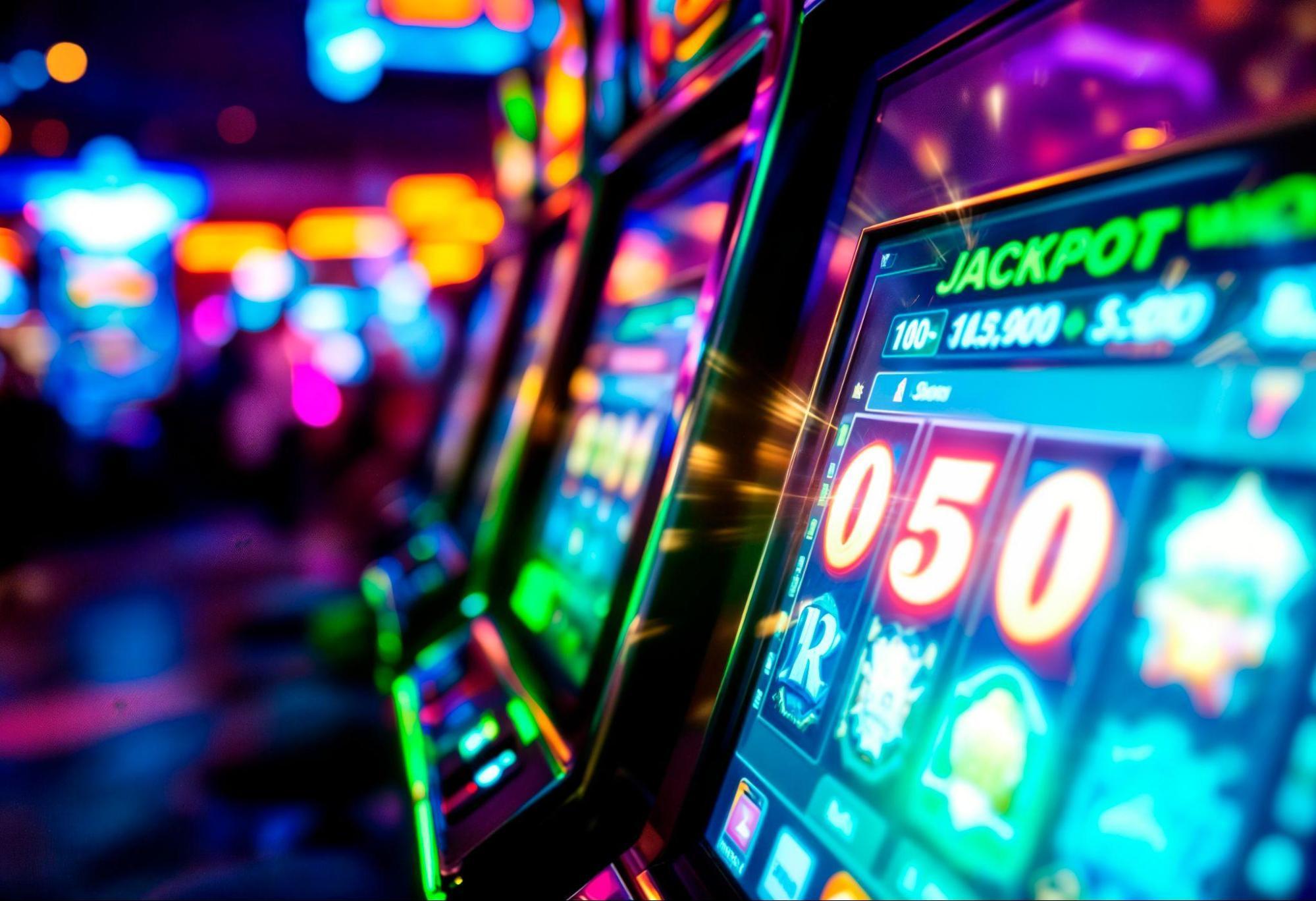
Picture the scene: you’re in Las Vegas, circa 1995. You walk into a classic casino, you pop your coins into those penny slots, knowing you’ll at least have a good time, but always hoping you’ll hit it big on a jackpot.
But back then, there was a bit of a ceiling on what you could win. Jackpots were fixed, only ever ‘growing’ based on bets made per machine. Sure, jackpots would sometimes go up over time, but only by pennies.
Now, jackpots have evolved to far more complex setups, linking players from all over, offering larger, progressive prizes, all encapsulated by significant technological improvements every single year, as seen on platforms like ツーアップカジノ.
Setting the Scene: A Quick Background on Jackpots
In the early gambling halls and casinos, jackpots were always fixed amounts. No increases, not even a little bit. They were easy to understand: match certain icons, and go and collect your prize.
For players, it was still a great experience. The slots were fun, modern, and you still had the potential of winning a sizable amount. These fixed jackpots stayed popular for decades, with technology not really allowing for major changes.
The Game Changer: Real-Time Prize Growth
However, things would take a turn in the late 90s, with the advent of the World Wide Web. As gambling moved online, slot machines were no longer limited by physical hardware or isolated cabinets on a casino floor. Digital platforms made it possible for games to be connected, tracked, and updated in real time. This shift would completely change how jackpots worked. Instead of being locked to a single machine with a pre-set payout, jackpots could now be shared across thousands of players at once.
Today, established online casinos like SkyCity offer jackpots that are anything but fixed. Real-time tracking systems allow jackpots to increase dynamically as players place bets across connected games. A portion of each wager is automatically redirected into a shared prize pool, meaning every spin, however small, plays a part.
This, naturally, adds a layer of excitement. You can watch the jackpot evolve in real time, with more players joining as the prize becomes increasingly compelling. It also adds an element of fairness; if no one wins the jackpot, it goes up, in a similar way to the lottery.
Creating Networks: Progressive Jackpots
Now, let’s move to the concept of progressive jackpots. As the name suggests, this jackpot type progresses over time, just like what we’ve just covered, but it takes it to another level.
It connects multiple machines and/or games into a single system, pooling bets from across entire networks rather than individual games. This can lead to figures you’d never reach with a standard single-machine setup, with some progressive jackpots being valued in the millions.
Many of these jackpots can even be won with the lowest possible bet. For example, a player based in Sacramento hit a $200k+ jackpot on a 25-cent play, made possible by the game’s connection to a wider virtual network of progressive games.
Building Stories: Branded and Themes Jackpots
Jackpots are no longer just abstract numbers we dream of adding to our bank accounts. They now tell a story, built on themes many of us are already familiar with.
For example, you may see jackpot games tied to movies, superheroes, or even big events like the World Cup or the Super Bowl. This evolution gives players an extra something to connect to, creating both an emotional and financial pull to get involved.
Themed jackpots mean that modern games are closer to what you’d find on a PlayStation than a 1970s Las Vegas fruit machine. They’re immersive experiences; the game is not a means to an end (the big prize), but part of the overall player journey.
Behind the Scenes: Improved RNG & Technology
The tech that powers fair jackpots is incredibly layered, requiring high-level work from software developers. At the heart of the process is the Random Number Generator (RNG), a system that ensures outcomes are both unpredictable and fair for players.
Early machines in old-fashioned casinos used mechanical parts, with RNG moving everything to software. They’re also tested and certified by third-party companies, giving the system a seal of approval that means it cannot be rigged.
The improvements in the tech allow for faster response times and better data handling for linked systems. When you have games that are being played by thousands of people simultanesously, the software needs to be robust and reliable.
What Comes Next for Jackpots?
The road ahead looks bigger, more connected. Expect even bigger networks, built across more platforms, with the difference between virtual and real life becoming murkier and unclear.
Look for casinos that will have real-world events linked to virtual jackpots. AR and VR, finally starting to meet the tech’s early promise, have the potential of shaping even more exciting jackpot events. And smart devices may even bring jackpots into everyday life.
Jackpots were simple. And remained that way for decades. Now, they’re dynamic, driven by ever-improving technology, but always centered on a basic human truth: our desire to be connected, with jackpots not only delivering the big prizes, but bringing together gamers from all over.
About Author


