Competitive e-games are a force to be reckoned with for quite some time now, and online betting platforms did not want to lose the train. It has followed the same path as streams, highlights, Discord servers, and late-night matches watched on second screens. For many players and viewers, betting on e-games now feels less like gambling and more like an extension of how competitive gaming is already consumed. The reason is simple. E-games are built for constant information.
E-Games Were Always Data-Driven
Long before betting platforms showed interest, e-games communities were already obsessed with numbers. Kill counts. Win rates. Map control. Economy swings. Patch changes. Everything is measured, discussed, and shared. That environment makes placing a bet feel less foreign. When viewers already track stats in real time and debate momentum mid-match, reacting with a small wager feels like a natural next step. Betting doesn’t replace analysis. It sits beside it. This is very different from traditional sports, where intuition and legacy often dominate early decisions.
Live Formats Changed Everything
Most e-games are watched live, not followed later. Matches move quickly. Momentum shifts are obvious. A single round can change the direction of an entire map. Online betting adapted to that rhythm. Pre-match bets exist, but the real activity happens during play. A team loses control of the economy. A key player underperforms. A draft choice backfires. These moments invite reaction. Betting in e-games is rarely about predicting the final result from the start. It’s about responding to what’s unfolding on screen.
Smaller Bets, Sharper Moments
One clear pattern in e-games betting is stake size. Bets tend to be smaller and more frequent. Not because players are cautious, but because the matches themselves are broken into moments.

A single round. A first objective. A short map. Each segment creates a decision window. Bettors engage briefly, then step back. This fits the way e-games are watched. Attention spikes and falls quickly. Betting follows those spikes rather than trying to stretch engagement across an entire match.
Streaming Culture Shaped Behaviour
E-games are inseparable from streaming. Viewers watch while chatting, reacting, joking, and sharing opinions in real time. Betting often enters through that same social layer. Someone posts an idea. Another agrees. A third mocks it five minutes later. The bet becomes part of the conversation rather than a private decision. This social framing reduces pressure. Losing a bet feels like losing an argument, not making a mistake. Winning becomes content.
Why Mobile Matters More Than Platforms
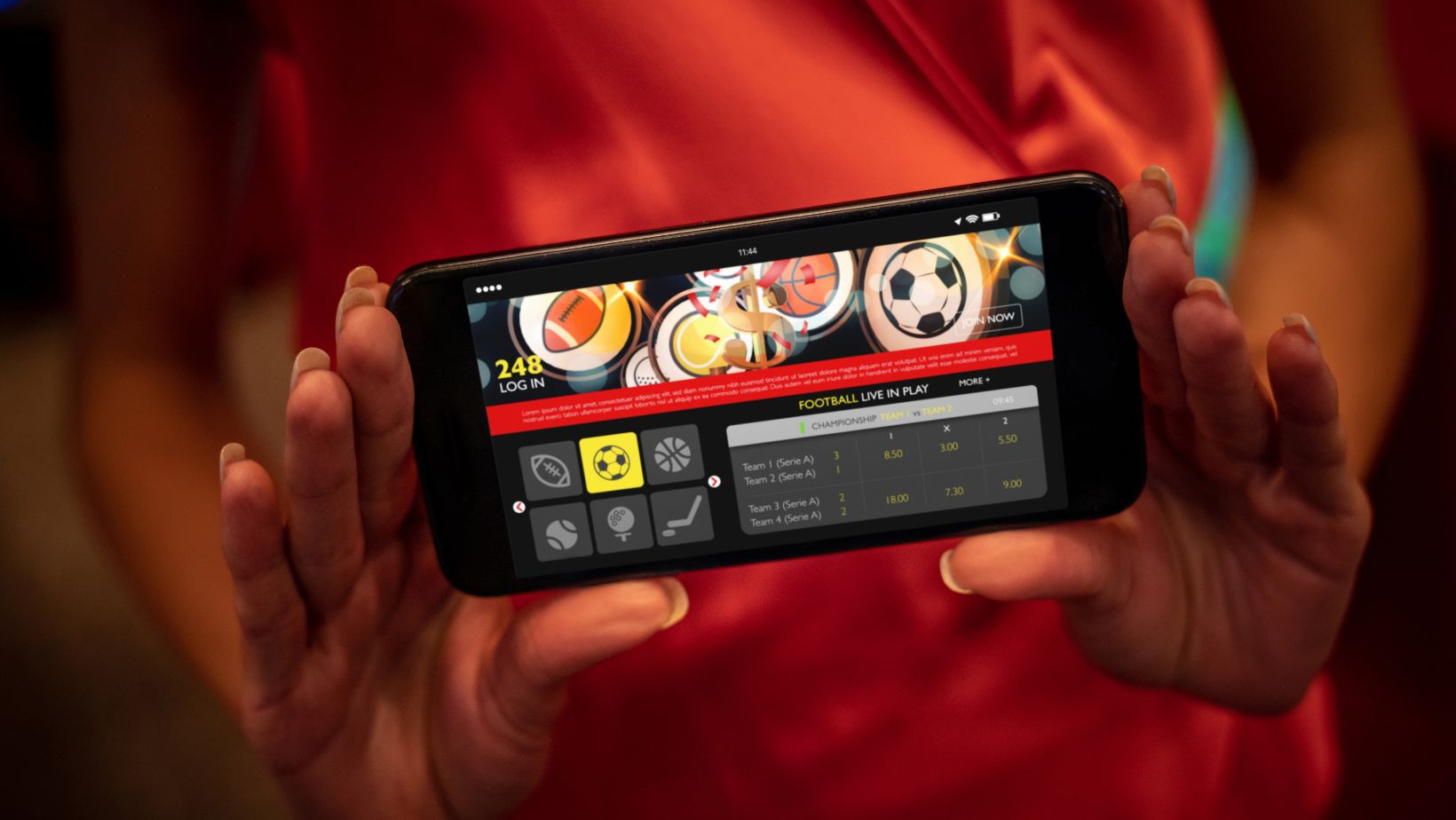
Unlike early PC-based gaming culture, e-games betting today is often mobile-first. Viewers watch on laptops or TVs, but bets are placed on phones. That separation matters. Mobile use encourages speed and simplicity. Markets that are easy to understand win. Anything that requires long explanation gets ignored. Betting becomes a tap, not a process. This keeps engagement light and reversible, which matches the fast pace of competitive gaming.
Skill Perception Changes Expectations
One interesting tension in e-games betting is the belief in skill. Because games are interactive and mechanically demanding, many viewers believe outcomes are more controllable than in traditional sports. That belief doesn’t always hold up, but it shapes behaviour. Bettors feel more confident reacting to visible mistakes or dominant plays. They trust what they see more than historical form. The result is betting that feels observational rather than speculative.
A Culture Still Finding Its Balance
Online betting hasn’t taken over e-games culture, and it likely won’t. Most viewers still watch without placing bets. But for those who do, betting fits because it doesn’t demand centre stage. It’s optional. Reactive. Social. Easy to step away from. For a platform like reality-movement.org, the real story isn’t betting as disruption. It’s betting as adaptation. A layer that followed e-games into the digital, live, data-heavy spaces they already occupied. As long as competitive gaming remains fast, shared, and information-rich, betting will continue to exist quietly alongside it. Not as the focus, but as part of the movement.
About Author