
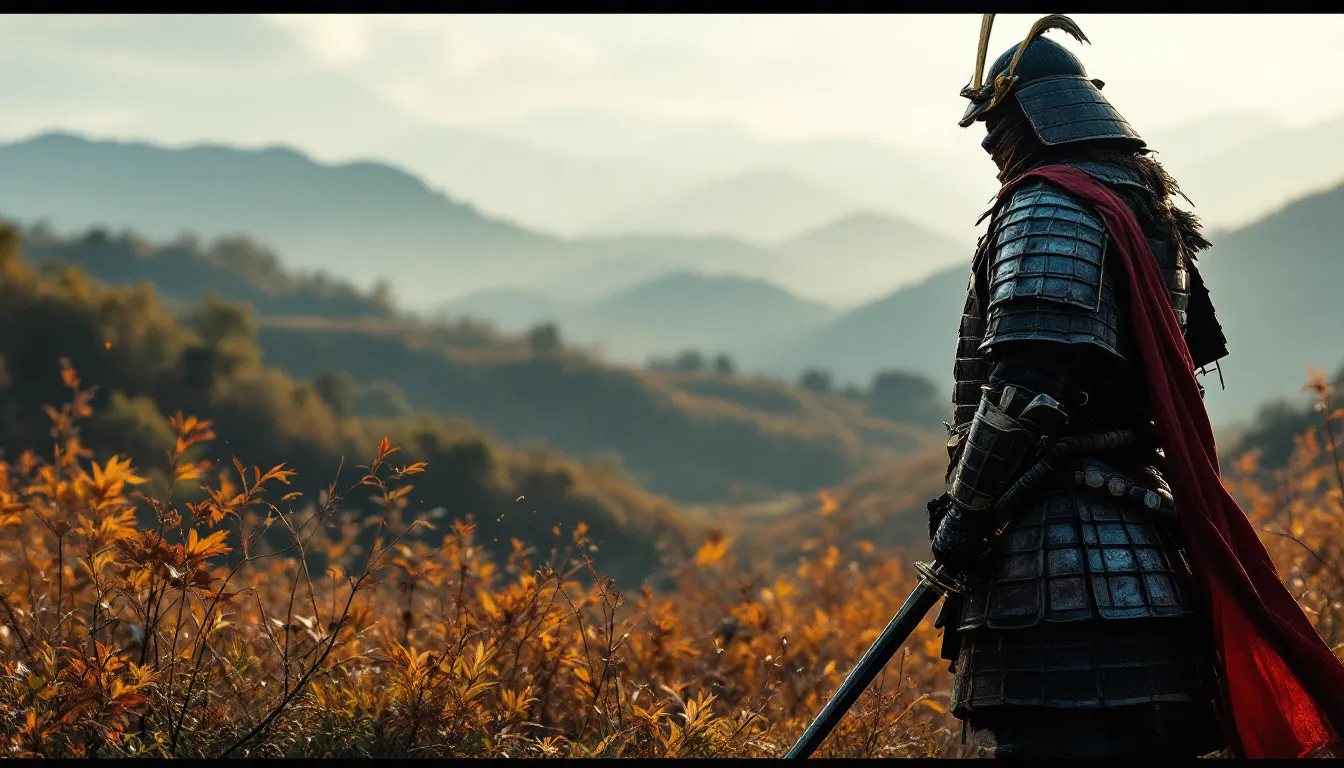
When Sucker Punch Productions released Ghost of Tsushima in July 2020, it arrived as a love letter to samurai cinema and a swansong for the PlayStation 4. The game didn’t just meet expectations, it redefined what an action-adventure title could achieve on aging hardware. Ghost of Tsushima reviews across the board praised the game’s stunning visuals, compelling narrative, and fluid combat system. Over five years later, in 2026, this masterpiece remains a benchmark for the genre, earning its place among the greatest games of the generation. Whether you’re a completionist hunting for platinum trophies or someone curious about what made this title resonate with critics and players alike, understanding Ghost of Tsushima’s strengths and where it stumbles helps you decide if it belongs in your backlog.
Key Takeaways
- Ghost of Tsushima reviews consistently praised its exceptional combat fluidity, stunning visuals, and mature narrative exploring the conflict between honor and pragmatism, making it one of the generation’s finest action-adventure games.
- The combat system rewards mastery through four distinct stance mechanics and frame-perfect parrying, creating a satisfying flow state that separates casual players from skilled duelists.
- Ghost of Tsushima’s open-world design avoids map bloat by using wind guidance instead of objective markers, creating organic exploration that strengthens player connection to Tsushima Island.
- The game’s character-driven narrative, particularly Jin Sakai’s emotional arc and his fractured relationship with Uncle Shimura, delivers mature storytelling with cinematic direction that remains timeless in 2026.
- Ghost of Tsushima holds up well on PS5 and PC with stunning visuals at 60fps, though its open-world formula is less novel by 2026 standards, and weaknesses like predictable boss patterns and basic stealth AI prevent it from being flawless.
- Extended content through Legends co-op mode and Iki Island expansion provides 30+ additional hours, offering replayability and meaningful story continuation for completionists.
What Makes Ghost Of Tsushima Stand Out
Ghost of Tsushima doesn’t reinvent the action-adventure wheel, but it refines nearly every element with obsessive attention to detail. The game synthesizes lessons from the Assassin’s Creed franchise, The Witcher 3’s narrative depth, and pure samurai cinema into something that feels unmistakably its own.
At its core, Ghost of Tsushima is about Jin Sakai, a samurai navigating the Mongol invasion of Tsushima Island in 1274. Rather than simply fighting back against invaders, Jin must decide who he wants to be: the honorable samurai trained in bushido or the pragmatic ghost willing to abandon tradition to save his people. This internal conflict drives everything forward, the story, the combat philosophy, the gameplay mechanics.
When Ghost of Tsushima reviews hit, critics consistently highlighted the game’s commitment to coherent world-building. Every mechanic serves the narrative. Wind instead of objective markers guides you toward points of interest. Combat animations emphasize the weight and consequence of every sword swing. Even the UI vanishes during cutscenes to preserve immersion. This isn’t feature bloat: it’s intentional design philosophy executed with surgical precision.
The game also benefits from flawless technical execution on PS4. Load times are nearly invisible, frame rate stability is rock-solid at 60fps on most systems, and the open world feels genuinely alive, whether you’re wandering bamboo forests or standing atop cliffsides overlooking the ocean. For a 2020 PS4 exclusive, this level of polish remains rare.
Story And Narrative Excellence
Combat Mechanics And Sword Fighting
Ghost of Tsushima’s combat system is deceptively simple on the surface: sword clashes, parries, and counterattacks form the foundation. But mastery reveals layers of tactical depth that separate casual players from true duelists.
The Katana serves as your primary weapon, and directional attacks matter. Horizontal slashes flow differently than vertical cuts, affecting how enemies react and where openings appear. Parrying is frame-perfect and responsive, rewarding timing over button-mashing. When you nail a parry into a quick counterattack, the animation flows with such kinetic satisfaction that combat never feels like work, it feels like performing.
As you progress, you unlock four combat Stances: Crane Stance (fast, sweeping attacks), Water Stance (horizontal blocks and counters), Wind Stance (balanced offense and defense), and Moon Stance (slow but devastating overhead strikes). Switching stances mid-combat creates rhythm-game-like moments where you’re anticipating enemy types and adjusting your approach in real-time.
The game also introduces Special Abilities tied to your progression. Heavenly Strike lets you charge a devastating overhead blow. Lethal Parry transforms a blocked attack into an instant kill. These abilities aren’t overpowered: they’re tools that reward mastery and provide satisfying payoff when executed flawlessly against tough enemies.
One weakness: boss fights sometimes feel repetitive. Late-game duels rely heavily on preset attack patterns, and once you learn the rhythm, difficulty flattens. This doesn’t ruin the experience, but it prevents combat from reaching the peak heights of games like Sekiro.
Character Development And Emotional Depth
Jin Sakai isn’t a blank slate, he’s a fully realized character with conflicting philosophies, relationships, and a clear arc. This matters because it grounds every story beat in genuine stakes.
The relationship between Jin and his Uncle Lord Shimura forms the narrative spine. Shimura represents honor and tradition: Jin increasingly embraces unconventional tactics. Their bond fractures as Jin’s methods grow darker, and the tension between loyalty and pragmatism creates real emotional weight. By the game’s climax, their conflict isn’t about defeating Mongols, it’s about values, sacrifice, and whether survival justifies betraying what you were taught to believe.
Secondary characters like Yuna, the archer who helps Jin early on, and Masako, a widow seeking revenge, receive genuine character arcs with multiple personal quests. These aren’t side missions tacked on for filler: they explore themes of loss, resilience, and what it costs to survive invasion.
The writing avoids melodrama while hitting emotional moments hard. A scene where Jin witnesses the aftermath of a massacre is handled with restraint, no dramatic music, no lengthy dialogue. Just silence, devastation, and the weight of consequence. This restraint makes powerful moments hit like hammer blows.
Cutscene direction rivals anything in prestige gaming. Camera work is cinematic without being ostentatious. Performance capture on key characters shows subtle emotional shifts. When Shimura stares at Jin with disappointment, you feel the judgment without need for exposition. Ghost of Tsushima reviews consistently praised this narrative sophistication, and years later it holds up as some of the finest storytelling in the medium.
Gameplay And Exploration
Open-World Design And Freedom
Ghost of Tsushima’s open world avoids the map bloat that plagued open-world games throughout the 2010s. Instead of a screen covered in icons, the map is nearly bare. Wind particles guide you toward objectives. NPCs point you in directions. You discover locations organically by exploring.
Tsushima Island itself is breathtaking. Rolling hills, dense forests, snow-covered peaks, and coastal cliffs create visual variety that keeps exploration rewarding even 30 hours in. The art direction makes every region feel distinct, the autumn leaves of the southeast create a warm palette, while the northern territories shift to cooler blues and grays.
Activities include Standoffs (quick-draw duels), Shrines (meditation puzzles), Hot Springs (resource gathering), and bamboo strikes (rhythm-based sword-slash challenges). None feel mandatory. You can ignore side content and still experience a complete story, or you can chase every collectible and deepen your understanding of Jin’s world and character.
Traveling across the world is itself pleasurable. Your horse controls beautifully, and galloping across fields while orchestral music swells creates genuine moments of serenity. There’s no fast-travel system, Sucker Punch forces you to experience the journey, which actually strengthens your connection to the world.
One caveat: late-game map population can feel thin. Early regions buzz with discovery: later areas rely on repetitive enemy camps. It’s a minor pacing issue that doesn’t derail the overall experience but prevents the world from feeling consistently alive.
Duels And Standoffs
Standoffs are Ghost of Tsushima’s signature moment. You face a single opponent in a quick-draw scenario. At the right moment, you press a button and Jin draws his katana faster than his opponent. If you miss the timing, you take damage: if you nail it, you open with a devastating blow. It’s a simple mechanic that captures the tension of samurai cinema, the stillness before the explosion of violence.
The game features special Duel encounters against named enemies. These play out like movie moments: wind picks up, the camera pulls back, and two warriors face off across empty terrain. Duels demand respect. They punish button-mashing and reward mastery of stances and parrying. Some duels are genuinely challenging, especially on harder difficulties, and victory feels earned.
Where duels stumble: telegraphing can be too obvious once you know enemy patterns. High-level players can predict attack sequences and respond before animations complete, reducing tension. It’s not a deal-breaker, but it limits durability on replays.
Stealth Versus Direct Combat Approach
Ghost of Tsushima offers flexibility in how you approach enemy camps. Stealth is fully viable, you can infiltrate outposts without raising alarms, eliminate enemies silently with Ghost Stance abilities, and extract information without combat.
The game rewards both playstyles equally. Choosing stealth nets the same rewards as direct assault. Your character progression doesn’t punish you for avoiding combat. This freedom is excellent for accessibility and letting players engage at their comfort level.
Where stealth falls short: enemy AI isn’t brilliant. Guards follow predictable patrol routes and lose interest quickly if you break line of sight. Compared to something like Hitman 3, stealth encounters feel more like puzzles you solve than living scenarios. It’s still functional and fun, but lacking the depth that truly elite stealth games provide.
Direct combat remains the standout experience. When you abandon stealth and charge into a camp, triggering Standoff after Standoff, executing perfect parries and stance-switching sequences, that’s where Ghost of Tsushima sings. The game seems built for these chaotic, skill-demanding moments.
Graphics, Art Direction, And Performance
Stunning Visuals And Cinematography
Ghost of Tsushima remains one of the most visually striking games ever made on PS4. This is partly technical prowess, the rendering is impeccable, but mostly artistic vision.
The Standoff moments exemplify this. The camera pulls back, wind sweeps across the field, and golden light bathes the landscape. No UI clutters the screen. No HUD elements break immersion. You’re watching a samurai movie. The art direction instinctively understands film language and applies it relentlessly.
Character design is exceptional. Jin evolves visually as his story unfolds, his armor becomes battle-scarred, his face weathered. Armor customization (cosmetics earned through gameplay) lets you tailor his appearance while maintaining character authenticity. Enemy types are visually distinct and readable in combat, which matters when you’re managing multiple foes.
Environmental detail rewards exploration. Flowers bloom in certain regions during specific seasons. Weather systems affect visibility and create mood. A village burning creates genuine dread. A temple surrounded by fog becomes inherently mysterious. Every visual choice serves storytelling.
Film grain can be toggled on or off, a subtle choice that adds cinema authenticity when enabled. For a game so committed to cinematic presentation, this detail matters. According to Metacritic, Ghost of Tsushima’s visual presentation consistently rated among the highest marks for art direction across all reviewed platforms.
Technical Performance Across Platforms
Ghost of Tsushima launched exclusively on PS4 in July 2020, then expanded to PS5 in October 2021. Each version handles performance differently, and those differences matter for your experience.
PlayStation 4: Runs at 1440p at 60fps on standard PS4, though some framerate dips occur during heavy action. The trade-off between resolution and performance is handled well. Load times are nearly invisible, and the game rarely stutters.
PlayStation 5: Offers true 4K resolution at 60fps with minimized frame dips. Loading is essentially instantaneous, you’re in the game within seconds of selecting “continue.” Haptic feedback on the DualSense controller adds tactile feedback to sword clashes and environmental interactions. Adaptive triggers create resistance when drawing your katana. These features enhance immersion significantly.
The PS5 Director’s Cut (released alongside the PC port in May 2024) added new content: Iki Island, a new story arc featuring the pirate Jin becomes. This expanded the experience by roughly 15-20 hours.
PC version (May 2024) brought Ghost of Tsushima to a new audience on Steam and Epic Games Store. Performance scales across hardware. High-end systems hit 144fps+ at 4K: mid-range rigs manage steady 60fps at 1440p. Ultrawide monitor support is included. Keyboard controls are functional but rebind-friendly for those preferring gamepads.
One technical note: the PC launch had stuttering issues at release, but subsequent patches largely resolved them. Current performance is solid across configurations. According to GameSpot, the PC version delivers comparable visual fidelity to PS5 with superior performance flexibility.
Multiplayer And Extended Content
Legends Mode And Co-Op Features
Legends launched as free post-launch content in October 2020, separate from the main campaign. It reimagines the Ghost of Tsushima story as mythology, players take on roles like Samurai, Assassin, Hunter, and Ronin, each with unique abilities.
Legends is purely co-op, supporting 2-4 players in story missions, survival waves, and special challenges. It’s roguelike-influenced, meaning you make loadout choices mid-mission and adapt to randomized modifiers. This creates replayability beyond single-player’s campaign.
The Samurai class emphasizes direct combat with sword techniques and explosive tools. The Assassin leans stealth, using poison darts and invisibility. The Hunter excels at ranged attacks and traps. The Ronin balances melee and ranged with a spirit wolf companion.
Legends hit differently than campaign play. It’s faster-paced, more arcade-like, and frankly, more fun for many players. The community remained active through 2025, though matchmaking can be slow depending on time/region. Legendary difficulty punishes mistakes and demands coordination with teammates, providing genuine challenge.
Weakness: Legends has limited narrative structure compared to single-player. It’s content designed for replayability and progression, not story depth. If you’re seeking more campaign-driven experience, Legends supplements but doesn’t replace single-player depth.
DLC And Post-Launch Support
Beyond Legends, Sucker Punch released substantial paid DLC:
Iki Island (included in Director’s Cut, 2021) extends the story with a new region featuring a new antagonist, the Eagle, and their brainwashing tactics. It explores themes of freedom and psychological control alongside the main conflict. The story reaches surprising emotional beats and adds 15-20 hours depending on playstyle. Most players consider it essential, not a tacked-on expansion but a meaningful continuation.
Legends: Rival Mode introduced competitive multiplayer where players face off directly. It never gained traction compared to co-op, and matchmaking eventually became difficult.
DLC pricing was reasonable. Iki Island cost $20 and delivered substantial content. For context, it’s more generous than many AAA post-launch offerings.
Support tapered after 2022, which is reasonable for a completed game. Ghost of Tsushima received its intended content roadmap and moved on. Unlike live-service games, you’re not locked into seasonal grinds or FOMO mechanics.
Strengths And Weaknesses
What Players Love About The Game
Ghost of Tsushima’s reception wasn’t universal acclaim by accident. Several elements resonate deeply with players:
Combat fluidity stands first. The sword-fighting feels exceptional, responsive inputs, beautiful animations, satisfying feedback. Stringing together perfect parries and stance switches creates a flow state that few games achieve.
Visual presentation matters enormously. Ghost of Tsushima is simply gorgeous. Whether you’re watching a sunset or analyzing environmental detail, the art direction elevates every moment. For players seeking “cinema in gaming,” this delivers.
Narrative maturity separates it from typical action games. Jin’s arc isn’t about saving the world, it’s about identity, sacrifice, and moral compromise. The story trusts players to engage with complex themes without hand-holding.
Accessibility options deserve mention. Customizable difficulty settings let new players enjoy the story without punishment. Assist mode disables HUD elements for veterans. Field of view adjustment, colorblind options, and remappable controls ensure broad playability.
Freedom of approach appeals to different playstyles. Want to stealth? Go ahead. Prefer open combat? Equally viable. The game doesn’t gatekeep content behind difficulty walls.
Areas Where Ghost Of Tsushima Falls Short
No game is flawless, and Ghost of Tsushima has legitimate weaknesses worth acknowledging:
Boss repetition in late-game duels becomes predictable. Enemy pattern telegraphing is obvious once you’ve fought a few major bosses. High-level players can anticipate attacks before animations complete, reducing tension.
Stealth AI lacks sophistication. Guards follow basic patrol routes and have limited awareness. Compared to modern stealth games, it feels simplified, functional but not brilliant.
Narrative pacing sags in Act 2. After an explosive opening and clear Act 1 conflict, the middle section meanders through side content and world-building. It recovers strong in Act 3, but the middle stretch asks patience.
Limited enemy variety becomes obvious on multiple playthroughs. You’ll fight Mongol soldiers in dozens of encounters, but their types don’t vary wildly. Armor design changes subtly, but combat archetypes repeat.
One-liners in dialogue occasionally feel forced. Jin’s quips during cutscenes lean toward samurai movie clichés. Minor issue, but it breaks immersion occasionally, especially in a game so committed to authentic tone elsewhere.
These weaknesses don’t tank the experience but prevent Ghost of Tsushima from reaching “flawless” status. It’s a masterpiece with minor rough edges.
Comparison To Other Action-Adventure Titles
How It Stacks Against Similar Games
Ghost of Tsushima competes in a crowded genre. How does it compare to its peers?
Versus Sekiro: Shadows Die Twice: Sekiro’s combat demands perfection: Ghost of Tsushima rewards mastery but allows mistakes. Sekiro is harder, rewarding frame-perfect execution. Ghost of Tsushima is more accessible while maintaining depth. Narrative-wise, Ghost of Tsushima offers clearer storytelling: Sekiro’s lore requires speculation. Both excel, just with different priorities.
Versus Assassin’s Creed series (especially Odyssey/Valhalla): Ghost of Tsushima’s open world is smaller and more focused. AC games offer more playtime and RPG mechanics: Ghost of Tsushima prioritizes tighter, story-driven experience. Combat in Ghost of Tsushima feels more grounded: AC emphasizes ability bloat. Ghost of Tsushima also avoids micro-transaction pressure that plagues AC games.
Versus Uncharted series: Uncharted prioritizes narrative cinema and set-pieces: Ghost of Tsushima emphasizes player agency and open-world exploration. Uncharted is more cinematic and linear: Ghost of Tsushima is more player-driven. Both nail storytelling, just via different methods.
Versus The Witcher 3: Witcher 3 offers vaster open-world and deeper RPG mechanics: Ghost of Tsushima is more focused and refined. Witcher 3’s quest design is superior: Ghost of Tsushima’s combat is more satisfying. Witcher 3 has more content: Ghost of Tsushima respects your time better. According to IGN, both rank among the greatest action-adventure games but serve different player preferences.
Versus Red Dead Redemption 2: RDR2 is vastly larger: Ghost of Tsushima is more streamlined. RDR2 emphasizes immersion through simulation: Ghost of Tsushima emphasizes narrative focus. RDR2’s combat feels slower and more deliberate: Ghost of Tsushima rewards speed and precision. RDR2 better serves players wanting massive worlds: Ghost of Tsushima serves players seeking refined experiences.
The key distinction: Ghost of Tsushima doesn’t try to be the biggest game. It aims to be the best-crafted experience possible within its scope. That focus is its greatest strength.
Should You Play Ghost Of Tsushima In 2026
By 2026, Ghost of Tsushima is nearly six years old. Does it hold up?
Absolutely, yes, with caveats.
If you value gameplay mechanics and technical polish, Ghost of Tsushima remains exceptional. Combat hasn’t dated. The open world is smaller than modern AAA titles but more thoughtfully designed. Visually, it still impresses on PS5 and PC, though not groundbreaking compared to newer engines.
If you prioritize narrative and character development, it’s essential. The story, pacing, and emotional beats are timeless. Jin’s arc feels contemporary in its exploration of honor versus pragmatism.
If you seek accessibility, Ghost of Tsushima delivers. Difficulty options let anyone experience the story. Assist mode strips away mechanical barriers without trivializing challenge for those who want it.
Where age shows: The open-world formula is less novel in 2026. What felt fresh in 2020 is now standard. You won’t encounter revolutionary mechanics. Stealth AI and some boss design feel dated compared to recent competition.
Platform matters for your experience:
- PS5/PC: Run beautifully at high frame rates with responsive controls. Recommend these versions if available.
- PS4: Still plays great at 60fps, though with lower visual fidelity than PS5.
- Xbox/Switch: Ghost of Tsushima remains PS-exclusive. Not available on other platforms, which limits accessibility for some players.
The verdict: If you haven’t played Ghost of Tsushima, it belongs on your backlog. It’s a complete, refined game that respects your time. If you’ve already finished it, Legends mode and Iki Island provide 30+ additional hours. If you’re a series veteran, replaying at higher difficulties remains rewarding. In 2026, Ghost of Tsushima is less trendy but no less excellent.
Final Verdict And Recommendation
Ghost of Tsushima is a masterpiece that didn’t need reinvention, it needed refinement, and Sucker Punch executed that vision flawlessly. Five years later, the game stands as a benchmark for what action-adventure design should accomplish.
The combat remains some of the most satisfying in gaming. The story explores mature themes without pretension. The art direction is unmistakably excellent. Performance is rock-solid on PS5 and PC. Extended content through Legends and Iki Island provides 100+ hours of gameplay for completionists.
Yes, it has weaknesses. Boss patterns become predictable. Stealth AI isn’t brilliant. The middle act meanders. Late-game enemy variety repeats. But these flaws are minor against the overall experience.
For whom Ghost of Tsushima is perfect: Story-driven players, samurai cinema fans, PS5 owners seeking a marquee exclusive, and anyone valuing gameplay polish over massive scope. For whom it’s less ideal: Competitive multiplayer enthusiasts (Legends is fine but not esports-level), players seeking 200+ hour grinds, and those demanding mechanical innovation.
In 2026, Ghost of Tsushima holds up as one of the generation’s finest games. It won’t revolutionize your understanding of what gaming can be, but it will remind you why this medium excels at delivering artistic vision through interactive design. If you haven’t experienced Jin Sakai’s journey, this is worth your time. If you have, Iki Island and Legends provide worthy reasons for return visits.
Final score philosophy: Ghost of Tsushima deserves play from any serious gamer. It’s not perfect, but it’s close enough.
<h2 id="” data-id=””>Technical Requirements And Platform Availability
Ghost of Tsushima is exclusive to PlayStation platforms and PC. Understanding platform specifications helps you decide where to play:
PlayStation 4: Requires roughly 75GB storage. Runs at variable 1440p at 60fps with occasional dips during intense scenes. Standard PS4 performance is solid: Pro models handle resolution better. The experience is complete but targets the lower visual fidelity tier.
PlayStation 5: Requires 75GB storage. Runs at true 4K at 60fps with next to no frame dips. Loading times are measured in seconds. Haptic feedback on DualSense adds significant immersion, sword strikes, environmental interactions, and weather effects all provide tactile feedback. Adaptive triggers add resistance when drawing your katana. These DualSense features enhance experience noticeably.
PC: Released May 2024. Requires roughly 80GB storage (higher than console versions due to higher-quality assets). Supports ultrawide monitors, high refresh rates (up to 165fps on capable hardware), and both mouse/keyboard and controller input. Graphics settings scale from low to ultra. DLSS and FSR support included for performance optimization. Keyboard controls are functional and rebindable. Performance varies by hardware, high-end systems easily push 4K/120fps, while mid-range rigs manage 1440p/60fps reliably.
Not available on Xbox, Nintendo Switch, or mobile platforms. If you own those systems exclusively, Ghost of Tsushima isn’t an option.
Internet connection isn’t required for campaign play. Legends co-op requires online connectivity. Single-player campaign is fully playable offline.
About Author


