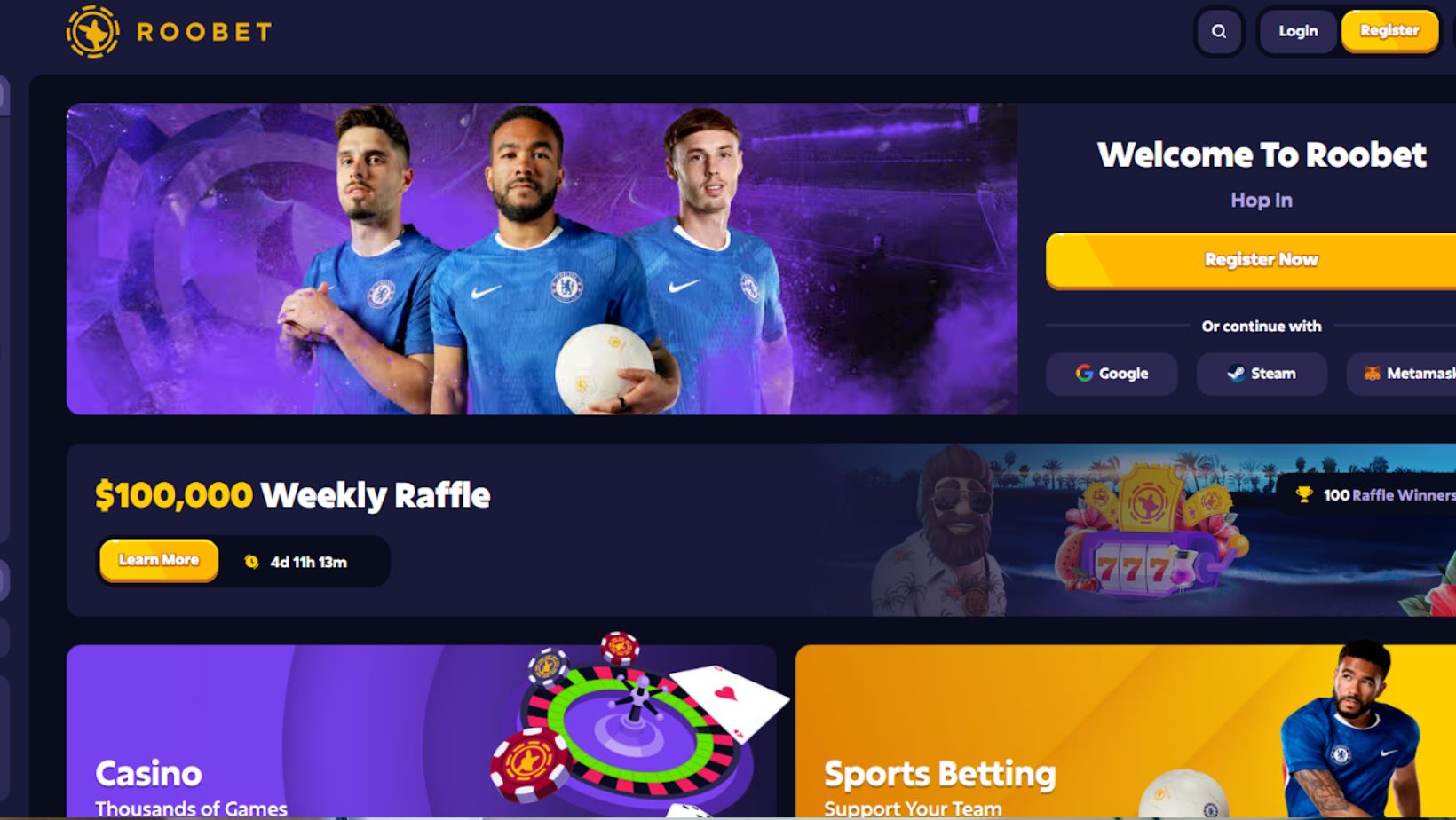
Think about how promo codes usually work. You see one, you copy it, you get a bonus, and you forget about it five minutes later. In gaming communities, it almost never ends there. Someone drops a code in a Discord, a couple of people try it, and before you know it, everyone’s arguing about the terms, sharing screenshots, and complaining about the same broken button on the signup page.
That’s kind of the point. Games are social spaces first and products second. People hang out, watch the same streamers, sit in the same servers, and steal ideas from each other all the time. So when a promo code Roobet shows up, it doesn’t just change what one person does. It gives the whole group something new to mess with together.
Most of the time, it’s harmless. Sometimes it even fades out fast. But every now and then, one of these little deals ends up nudging a whole community in a new direction, toward a different platform, a different habit, or a different set of opinions about who’s worth listening to. And that’s where promo codes stop being just “free stuff” and start having a much bigger impact than they probably should.
Promo Codes as a Social Trigger in Gaming Communities
In gaming spaces, almost nothing spreads in isolation. People don’t just quietly use a promo code and move on. They post it in Discord, drop it into a group chat, link it under a stream, or bring it up in a forum thread. Then come the reactions: someone asks if it actually works, someone else complains about the terms, a third person posts a screenshot of their balance. Within a few hours, what started as a simple discount turns into a full-on group discussion.
That’s how a promo code stops being a personal choice and turns into a shared event. Instead of one person testing something new in silence, you get a small wave of people doing it together. They sign up around the same time, run into the same problems, and figure out the same workarounds. The experience becomes social by default, even if the product itself is meant to be used solo.
This matters because gaming communities run on shared context. People like being able to compare notes, complain about the same bugs, and joke about the same weird design choices. A promo code creates that common ground almost instantly. It points a bunch of people at the same place and gives them a reason to go there now, not “sometime later.” Timing is a big part of why this works. When everyone moves at once, the conversation stays focused and the momentum builds on itself.
That’s also why promo codes punch above their weight in communities. On paper, it’s just a small incentive. In practice, it works more like a coordination tool. It doesn’t only change what one person does; it nudges a whole group in the same direction. Once a few people jump in and start talking about it, others follow, partly out of curiosity and partly because nobody wants to be the only one out of the loop.
When enough players move at the same time, you start seeing real shifts in attention. The usual topics in chat get pushed aside. New guides, tips, and warnings pop up. The same links get shared over and over. For a while, that one platform, game, or service becomes the center of gravity for the group. Even people who aren’t interested end up hearing about it, just because it dominates the conversation.
How Bonuses Change Player Behavior and Group Dynamics
If you’ve ever been in a Discord server or a group chat with gamers, you know how this usually goes. Someone posts a promo code. A couple of people tried it. An hour later, everyone’s talking about the same site, the same bonus, and the same annoying signup step that didn’t work on the first try. That’s the real way promo codes spread: not through banners or emails, but through people nudging each other and sharing what just happened to them.

The interesting part is that the bonus itself isn’t even the main driver. What it really does is change how people feel about the decision to try something new. You’re not committing. You’re just “checking it out,” and the code makes that feel safe enough to be worth the effort.
In practice, this shifts both individual behavior and how the group moves together:
- It lowers the mental barrier to trying something new. Without a bonus, signing up somewhere new feels like work with an uncertain payoff. With a promo code, it feels more like a low-risk experiment. People stop overthinking it and just give it a shot.
- It creates a first wave that others can watch. The first few people who try it become reference points. They answer questions, complain about problems, and show whether the thing is even usable. That makes the next wave much more confident about jumping in.
- It turns curiosity into follow-the-crowd behavior. Most people don’t join because they did a deep comparison. They join because their friends are already there. Being in the same place is more convenient than being the one person doing something different.
- It synchronizes experiences. When people sign up around the same time, they hit the same walls, discover the same features, and run into the same bugs. That gives the group something concrete to talk about instead of vague impressions.
- It shifts conversation inside the community. For a while, the usual topics take a back seat. The chat fills up with setup questions, bonus rules, screenshots, and quick verdicts. Attention narrows around one shared experience.
- It turns solo testing into a group activity. Instead of quietly trying something and leaving, people compare notes, trade tips, and joke about their mistakes. The process itself becomes part of the social side of the community.
- It creates short-term momentum that can outlast the promo. Even when the code expires, some people stay simply because they’re already there and their friends are still using it. At that point, the bonus has already done what it needed to do.
From Incentive to Identity: When Promo Codes Shape Community Culture
Over time, repeated choices start turning into habits. And habits, in communities, quietly turn into culture. This doesn’t happen because anyone sits down and decides, “From now on, this is who we are.” It happens because the same tools, platforms, and services keep showing up in everyday use. When that repetition lasts long enough, those choices stop feeling like options and start feeling like the normal way things are done.
Promo codes are often the first nudge in that direction. They give people a reason to try something at the same time and in the same place. At first, it’s a practical decision. The deal is good, the timing is right, and everyone else is checking it out anyway. But once a group has moved together a few times, something shifts. The question stops being “Should we use this?” and turns into “Why would we use anything else?”
You can see this in small, ordinary moments. New members join and copy what the group already uses without thinking much about it. Guides and tips assume a specific platform. Jokes and references only make sense if you’ve seen the same screens everyone else has. At that point, the tool isn’t just a tool anymore. It’s part of the shared background of the community.
What started as “use this code” slowly becomes “this is where we play” or “this is what our group uses.” The original promotion fades into memory. Most people couldn’t even tell you why the group picked that platform in the first place. They just know that switching would feel strange and slightly inconvenient, like changing the layout of a room you’ve gotten used to.
Streamers, Forums, and the Spread of “Code-Driven” Trends
Things get more interesting when streamers and big communities are involved. If a creator keeps pushing the same platform, their audience usually ends up there too. The bonus helps, of course, but most of the pull comes from something simpler: people want to be in the same place as everyone else. Shared spaces make communities work. Shared tools make them frictionless.
If you’re using what the streamer uses, you don’t need long explanations. You get the references. You know what people in chat are talking about. You’ve seen the same screens, the same features, the same weird edge cases. That alone is a strong reason to follow along.
You can see this process repeat across different platforms and communities, and it usually looks something like this:
- A creator normalizes one option by using it publicly. Viewers see the same interface over and over, hear the same name mentioned, and watch the same workflows in action. Over time, that option stops feeling like a choice and starts feeling like the obvious pick.
- The promo code removes the last bit of hesitation. Even people who are unsure think, “I’ll just try it.” The code turns passive interest into actual sign-ups.
- Early adopters become informal guides. The first wave answers questions, explains small details, and shares quick fixes. That makes it easier for the next wave to join without friction.
- Shared tools create shared language. Once most of the group uses the same platform, certain terms, features, and quirks become part of everyday conversation. You either know what people mean, or you feel slightly out of the loop.
- Forums and Discord servers lock in the default. Newcomers ask where to start and get the same recommendation every time. Not because it’s been formally decided, but because it’s what everyone already uses and understands.
- Alternatives slowly fade from discussion. They might be just as good, but switching means losing shared context. That alone is enough to keep most people where they are.
- The original promo becomes irrelevant, but the habit stays. At some point, nobody even remembers why the group started using that platform. It’s just “the place we use now.”
The Hidden Risks and Long-Term Effects on Community Trust
When recommendations carry this much weight, mistakes don’t stay small. If something gets pushed hard and turns out to be disappointing, people don’t just quietly move on and forget about it. They talk about it in chat. They write posts about it. They warn others not to fall for the same thing. And pretty quickly, the conversation shifts from “this platform isn’t great” to “why was this pushed so aggressively in the first place?”
That shift matters. In gaming communities, advice is part of the social fabric. People rely on each other’s experience because nobody wants to waste time and money testing everything themselves. A recommendation is supposed to mean, “I tried this, and it worked for me.” When that starts to feel less true, the whole system gets shaky.
Trust in these spaces is fragile because it’s built on assumptions, not contracts. Most of the time, nobody demands proof or disclosures. People just take each other at their word. That works as long as the community believes that suggestions are coming from real use and honest opinions. Promo-driven decisions put pressure on that setup, because they introduce another motive into the mix, even when everyone is being transparent.
Over time, a few things start to happen:
First, people become more cautious about following advice. Instead of jumping in, they wait. They ask more questions. They look for second and third opinions. That slows down the natural flow of recommendations that usually keeps communities active and helpful.
Second, the tone of discussions changes. Threads and chats that used to be about sharing tips turn into debates about intentions. “Is this actually good?” gets replaced with “Why are you pushing this?” The focus moves away from the product and toward the person recommending it.
Third, reputations start to matter more than ever. Some members become known as reliable voices. Others get labeled as “always promoting something.” Once those labels stick, they’re hard to shake. Even good advice from the wrong person can get ignored, while average advice from a trusted person still carries weight.
Fourth, disappointment lingers longer than the original hype. A promo might dominate the conversation for a week or two, but the feeling of being misled can hang around for months. People remember where they felt they wasted time or money, and they bring that memory into the next recommendation cycle.
When Promotions Influence Reputation, Loyalty, and Conflict
Of course, this whole thing has a downside. When something gets hyped too hard and turns out to be disappointing, people don’t just shrug and move on. They get annoyed. They start asking who recommended it and why. And if money or sponsorships are involved, things can get uncomfortable very quickly.
In most gaming communities, trust is the glue that holds everything together. People rely on each other’s advice because nobody has time to test everything themselves. Once that trust takes a hit, even normal recommendations start sounding suspicious. “Are you saying this because it’s actually good, or because there’s a deal behind it?” That question alone is enough to change the mood of a whole server.
You can see the impact of promo-driven hype play out in a few very predictable ways:
Reputation starts to matter more than the size of the bonus. At some point, people care less about how big the deal is and more about who’s vouching for it. A small, trusted recommendation beats a huge, questionable one.
Disappointment spreads faster than enthusiasm. When a promoted platform or service turns out to be mediocre, the complaints travel through the same channels that spread the hype. One bad experience quickly turns into a shared story.
Recommendations start getting questioned instead of followed. People stop taking advice at face value and begin asking about motives. Even honest suggestions come with an unspoken “What’s in it for you?” attached.
Creators and active members take the credibility hit first. The more visible you are, the more responsibility people assign you. If you pushed something that flopped, your next recommendation will be met with more skepticism, no matter how good it actually is.
Arguments inside the community become more personal. Instead of debating the product, people start debating each other’s intentions. That’s when discussions turn into conflicts and sides start forming.
Loyalty slowly turns into short-term thinking. In groups that keep bouncing from one promo to the next, nothing feels permanent. The mindset becomes: try it, use it, drop it, move on. Long-term attachment gets replaced by deal-chasing.
Each new promotion feels a little less exciting. When people have been burned a few times, hype loses its effect. Even good offers get a colder reception because the default reaction is caution, not curiosity.
About Author